Masala Simply Means "Spice Blend"
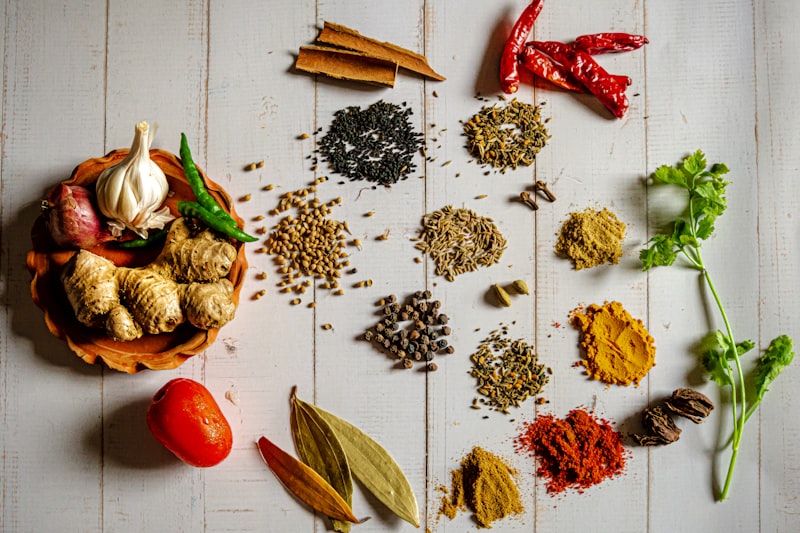
In Hindi and most Indian languages, "masala" literally translates to "mixture of spices." It is not a specific recipe but a category. Just as "sauce" in French cooking can refer to thousands of different preparations, "masala" in Indian cooking refers to any combination of ground, whole, or wet spices mixed together for a specific purpose.
Every Indian household has its own masala recipes, passed down through generations. A grandmother's garam masala blend might emphasize cardamom and cinnamon, while her neighbor's version leans toward black pepper and cloves. There is no single "correct" masala — the blend changes based on the dish, the region, the family, and even the season.
The Major Masala Types You Should Know
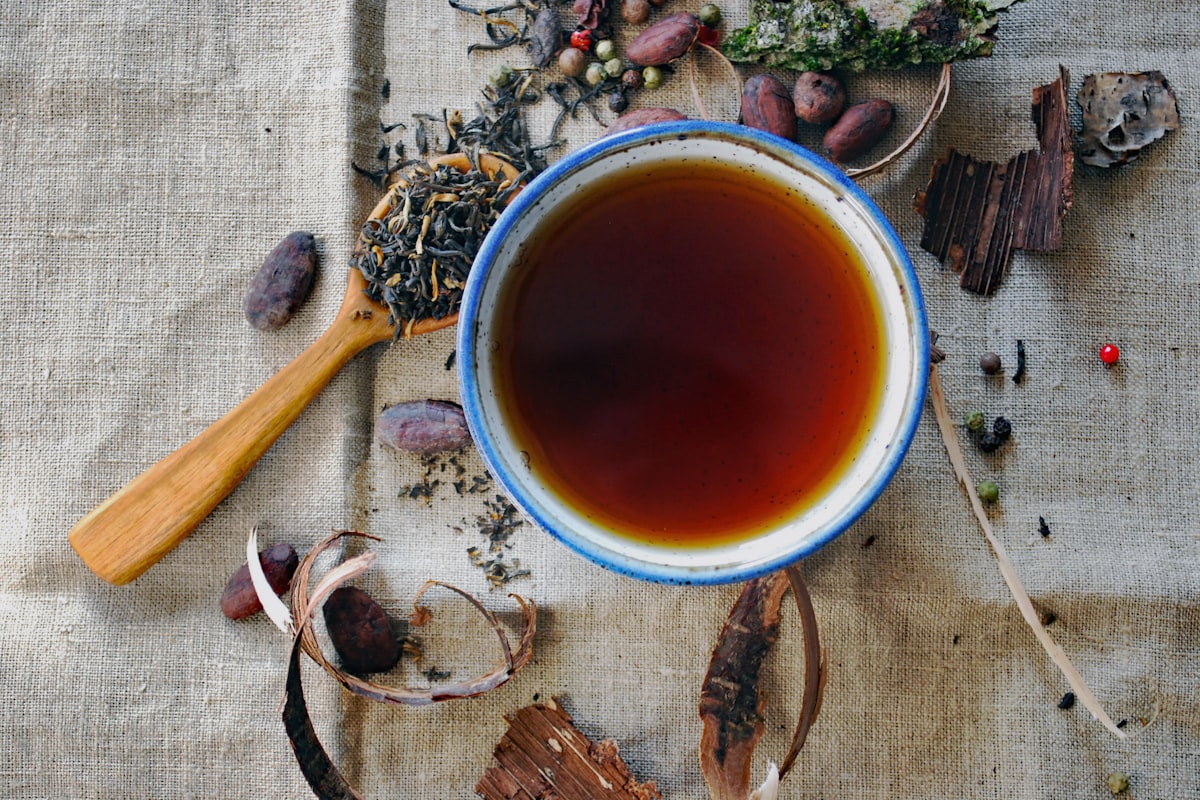
Garam Masala is the most famous blend worldwide. The name means "warm spice mix" and typically includes cardamom, cinnamon, cloves, black pepper, cumin, and coriander. It is added at the end of cooking to provide aromatic warmth without sharp heat. Every Indian kitchen has its own garam masala recipe.
Chaat Masala is a tangy, salty blend used primarily as a finishing spice. It contains dried mango powder (amchur), black salt (kala namak), cumin, and dried ginger. Sprinkled over fruit, salads, and street food snacks, it adds an addictive sour-salty kick that has no equivalent in Taiwanese cooking.
Tandoori Masala is a vibrant red-orange blend used specifically for marinating meats and paneer before cooking in a tandoor (clay oven). It combines paprika, cumin, coriander, ginger, garlic, and fenugreek to create the distinctive smoky, earthy flavor of tandoori dishes.
Sambar Masala is a South Indian specialty, designed for the lentil-vegetable stew called sambar. It features coriander seeds, dried chilies, fenugreek, mustard seeds, and curry leaves — creating a flavor profile completely different from North Indian masalas.
Wet Masala vs. Dry Masala
Masala is not always a dry powder. Many Indian dishes start with a "wet masala" or paste made by grinding fresh ginger, garlic, onions, tomatoes, and green chilies together. This paste forms the base of most curries. The dry spice masala is then added to this wet base, and the two cook together to create the complex, layered flavor that defines Indian food.
This two-layer approach — wet base plus dry spice blend — is what gives Indian curries their depth. It is also why making Indian food at home requires patience: the masala needs time to cook properly. Rushing this step produces harsh, raw-tasting spices instead of the smooth, integrated flavor you find at a good Indian restaurant.
Why Masala Matters at Baba
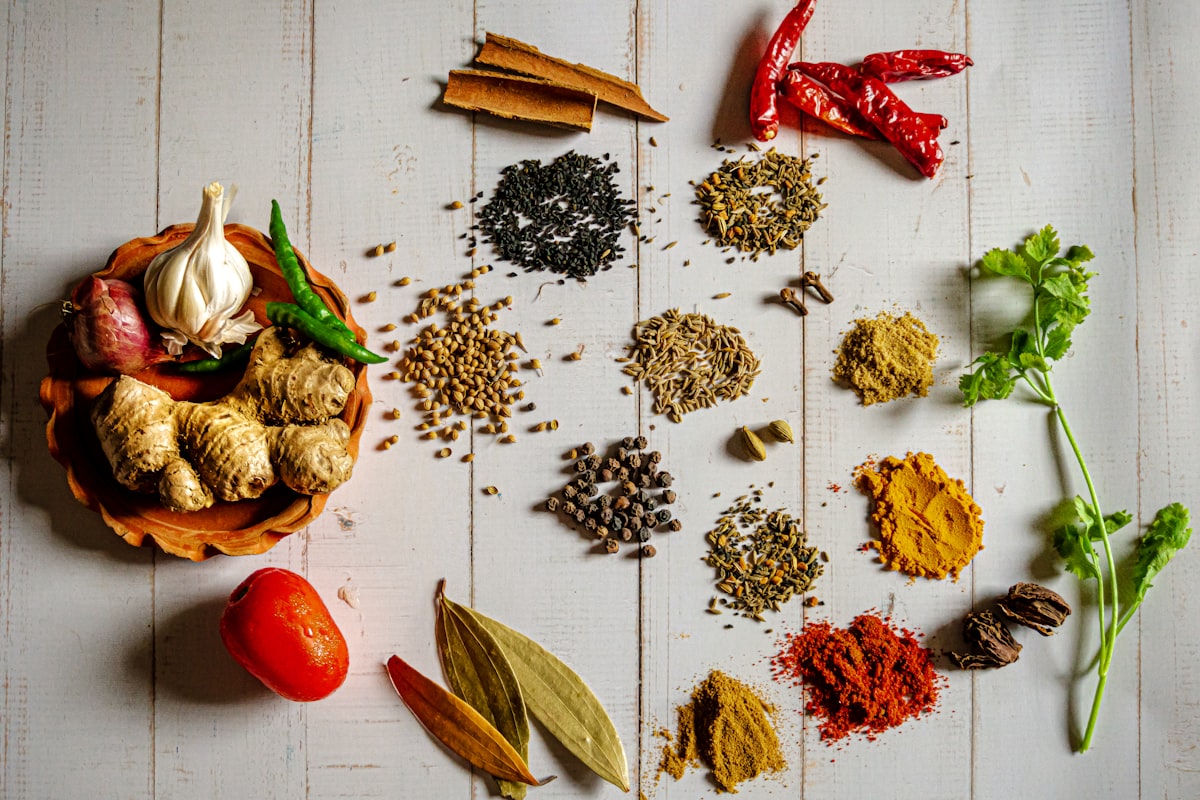
At Baba Indian Restaurant in Taichung, we grind our own masala blends fresh. Our garam masala, tandoori masala, and curry bases are prepared in-house using traditional recipes. This is what sets authentic Indian cooking apart from pre-packaged curry pastes: the freshness of the spice blend determines the quality of every dish.
Next time you order tikka masala or chana masala at our restaurant, you will know that "masala" is not just a menu word — it represents centuries of spice knowledge, family tradition, and the belief that the right combination of spices can transform simple ingredients into something extraordinary.